
Is a Store Credit Card Discount Worth It?
Is a Store Credit Card Discount Worth It?
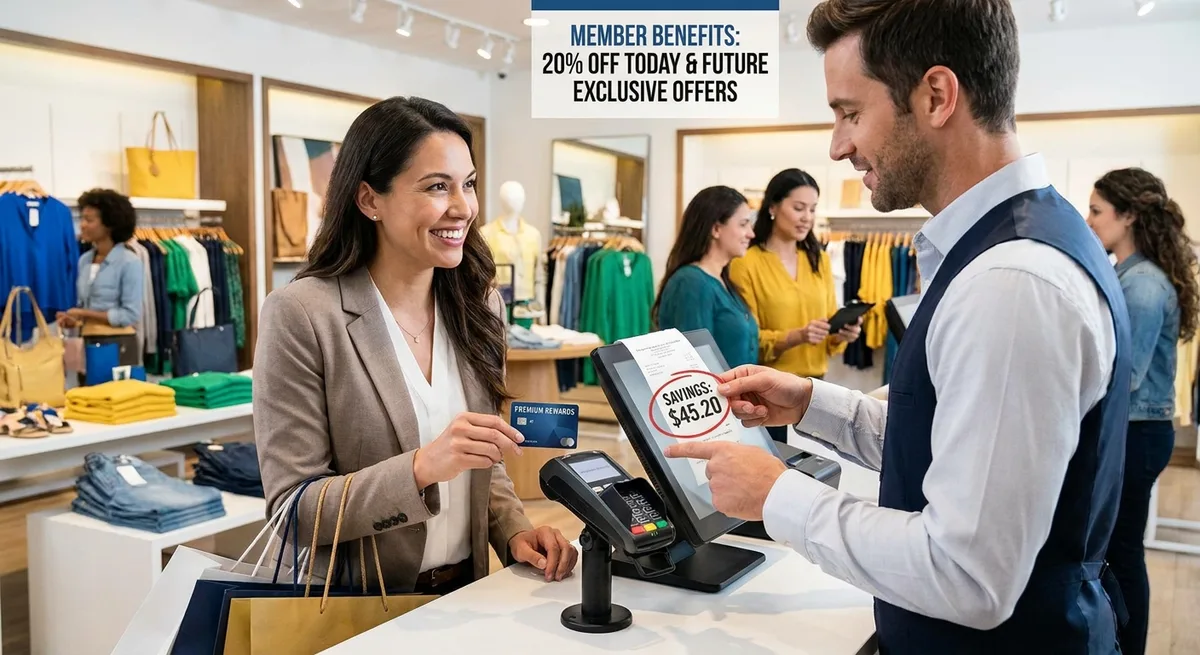
The Allure of the Instant Discount
You’re at the checkout, basket full, ready to pay. Then, the cashier hits you with it: "Would you like to save 15% (or 20%, or 25%) on today's purchase by opening a store credit card?" It's a tempting offer, isn't it? That instant gratification of a discount right now, on items you're already buying, can be incredibly persuasive. In a world where every penny counts, saving money seems like a no-brainer. But before you impulsively say "yes" and sign on the dotted line, it's crucial to pause and ask yourself: is a store credit card discount actually worth it in the long run?
Many shoppers are drawn in by the immediate benefit, overlooking the potential pitfalls that might come with it. This article will help you navigate the often-complex world of retail credit cards, so you can make an informed decision that truly benefits your financial health, rather than just offering a fleeting moment of savings.
Understanding How Store Credit Cards Work
First, let's clarify what we're talking about. A store credit card, also known as a retail credit card, is a credit card that can typically only be used at a specific retailer or group of associated brands. Unlike general-purpose credit cards (like Visa, Mastercard, American Express, or Discover), which are accepted almost everywhere, store cards are usually much more restricted. Some store cards are "co-branded," meaning they carry the logo of a major payment network, allowing them to be used outside the store, but often with better rewards or benefits when used at the specific retailer.
These cards are primarily designed to foster loyalty to a particular brand and encourage repeat purchases. They come with various features, including sign-up bonuses (the immediate discount), ongoing rewards programs, special financing offers, and exclusive cardholder perks. Understanding these mechanisms is key to evaluating whether a specific `store card discount worth it` for your individual circumstances.
The Potential Benefits: When Store Cards Shine
There are indeed situations where a retail credit card can offer real value. Here’s a closer look at the common `retail credit card benefits`:
Initial Savings & Sign-Up Bonuses
- Instant Gratification: The most obvious benefit is the upfront discount on your current purchase. Whether it's 10%, 20%, or even 30% off, this can translate to significant savings, especially on large purchases like furniture, appliances, or a new wardrobe. This `store credit card sign up bonus` is often the primary motivator for opening an account.
- Fixed Dollar Discounts: Sometimes, instead of a percentage, you might be offered a fixed amount off, like $25 or $50, which can be particularly attractive on smaller, everyday purchases.
Ongoing Rewards & Perks
- Loyalty Programs: Many store cards offer points, cashback, or exclusive discounts on future purchases. If you're a frequent shopper at a particular store, these ongoing rewards can add up over time, leading to genuine `saving money store credit card` opportunities.
- Exclusive Access: Cardholders often receive invitations to special sales events, early access to new products, birthday rewards, and free shipping or returns, enhancing your overall shopping experience.
- Special Financing: Some cards offer deferred interest promotions, like "0% interest for 12 months" on large purchases. This can be a boon if you need to spread out payments for a significant expense, as long as you understand the terms and conditions thoroughly.
Building Credit (with caution)
For individuals with limited credit history, a store credit card, when managed responsibly, can be a tool to help `build credit`. Making on-time payments and keeping your credit utilization low can positively impact your credit score. However, this benefit comes with a significant caveat: the risks associated with these cards often outweigh this potential benefit, especially for those new to credit.
The Hidden Downsides: What to Watch Out For
While the immediate savings are alluring, store credit cards come with notable drawbacks that can quickly erode any perceived value. These `store card pros and cons` are crucial to consider.
Sky-High Interest Rates
This is arguably the biggest pitfall. Store credit cards are notorious for having significantly higher Annual Percentage Rates (APRs) than most general-purpose credit cards. It’s not uncommon to see APRs upwards of 25-30% on retail cards. If you carry a balance for even a short period, the interest charges can quickly dwarf any initial discount you received, making the card far more expensive than it initially appeared.
Impact on Your Credit Score
Every credit card application results in a "hard inquiry" on your credit report, which can temporarily lower your credit score by a few points. Opening multiple store cards in a short period can have a more pronounced negative effect. Furthermore:
- Credit Utilization: If you use a significant portion of your credit limit on the store card, it can increase your credit utilization ratio, which is a major factor in your credit score.
- Average Age of Accounts: Opening new accounts lowers the average age of your credit accounts, which can also negatively impact your score.
- Missed Payments: Given the high interest rates, it's easier to fall behind on payments, and missed payments are severely detrimental to your credit score.
Limited Use & Overspending Temptation
Since most store cards are restricted to a single retailer, they don't offer the flexibility of a general-purpose card. This also means you might be tempted to shop at that specific store more often than you otherwise would, just to use the card or chase rewards. This can lead to impulse purchases and spending beyond your budget, turning a supposed `saving money store credit card` strategy into an exercise in overspending.
The perceived discount can trick your brain into thinking you're getting a great deal, even if you're buying something you don't truly need or can't comfortably afford.
Making a Smart Decision: Is It Worth It FOR YOU?
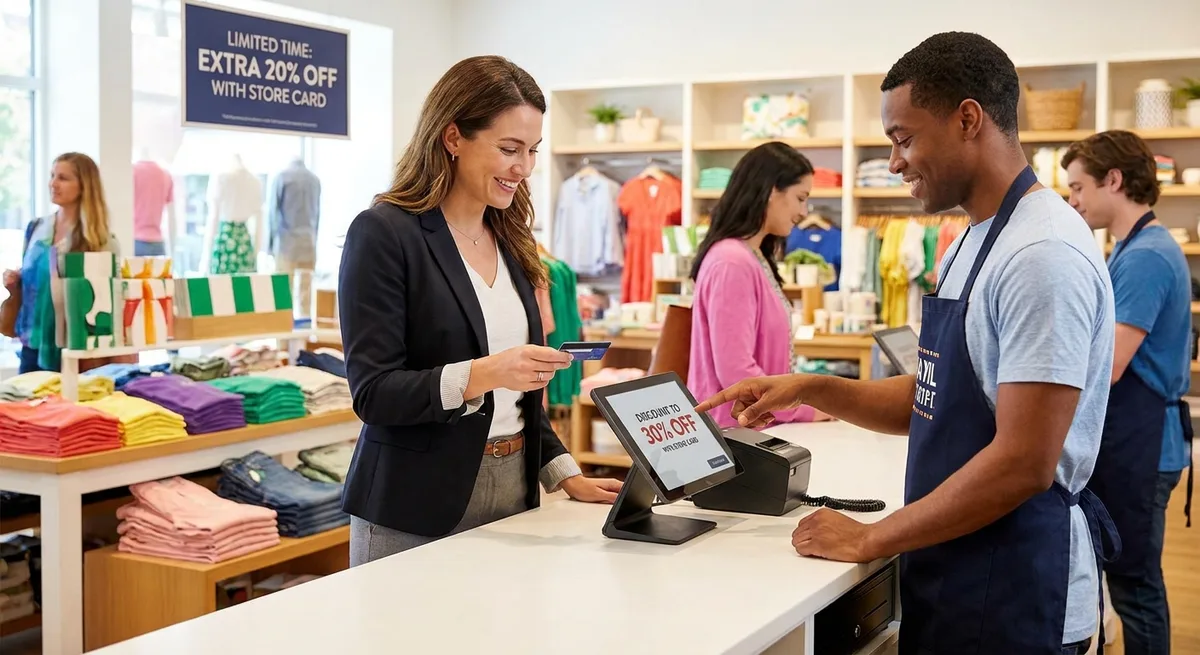
The ultimate question of "is a store credit card worth it" depends entirely on your personal financial habits and needs. Here’s how to `evaluate store card offers` effectively:
Evaluate Your Spending Habits
- Frequency of Shopping: Do you genuinely shop at this store regularly? If it’s a place you visit only once or twice a year, the ongoing benefits are unlikely to outweigh the potential downsides.
- Budget Discipline: Are you disciplined enough to pay off the balance in full every single month? If not, those high interest rates will quickly negate any savings.
- Planned Purchases: Are you making a large, planned purchase that you were going to make anyway? This is where the initial discount can be most impactful, provided you pay it off immediately.
Read the Fine Print, Always
Never sign up for any financial product without thoroughly reviewing the terms and conditions. Pay close attention to:
- APR: What is the interest rate? Is it fixed or variable?
- Annual Fees: Does the card charge an annual fee? Many store cards do not, but some premium versions might.
- Late Payment Fees: What are the penalties for missing a payment?
- Deferred Interest: If it's a "0% for X months" offer, understand that if you don't pay off the *entire* balance before the promotional period ends, you could be charged interest retroactively on the original purchase amount from day one. This is a common trap in `understanding store card discounts`.
Consider Alternatives
Could you get better rewards or a larger discount by using a general-purpose cashback credit card you already own? Or perhaps waiting for a store-wide sale or using a coupon you already have? Sometimes, the best `smart shopping store cards` strategy is to simply use cash or a debit card and avoid debt altogether.
The "One-Time" Purchase Trap
Be wary of opening a card just for a single purchase, especially if it's not a significant amount. The small saving often isn't worth the hard credit inquiry, the new account on your report, and the temptation to carry a balance. If it's a very large item, say a new refrigerator where the discount is hundreds of dollars, and you have the cash to pay it off instantly, then it might be worth it. Otherwise, proceed with caution.
Strategies for Smart Store Card Use (If You Decide to Get One)
If, after careful consideration, you decide that a store card is the right fit for your specific needs, here’s how to use it wisely:
Pay in Full, Always
This cannot be stressed enough. To genuinely reap the benefits and avoid crippling interest charges, pay off your store card balance in full every single month, preferably before the statement due date. If you can't commit to this, then the card is likely not worth it for you.
Limit Your Cards
Resist the urge to open multiple store cards. Each one impacts your credit in various ways. Focus on one or two cards for stores where you genuinely shop frequently and can manage the accounts responsibly.
Monitor Your Statements
Regularly check your statements for any unauthorized charges, errors, or unexpected fees. Stay on top of your spending to ensure you remain within your budget and avoid accumulating debt.
Conclusion: Beyond the Immediate Savings
The instant discount offered by store credit cards can be incredibly appealing, but it's essential to look beyond the immediate gratification. While `retail credit card benefits` like initial savings and ongoing rewards exist, they often come tethered to high interest rates and potential negative impacts on your credit score if not managed perfectly. Before you say "yes" to that cashier, take a moment to `evaluate store card offers` based on your financial habits, discipline, and the true cost versus benefit.
For some, a store card can be a valuable tool for `saving money store credit card` by maximizing discounts on frequent purchases, provided they always pay in full. For many others, the risks of high-interest debt and credit score damage far outweigh a fleeting discount. Make an informed choice that aligns with your long-term financial goals, not just your immediate desire for a deal.
Ready to make smarter financial choices? Subscribe to our newsletter for more tips and insights!
References & Sources
What you need to know about store credit cards