
How Does Airport Lounge Access Actually Work?
How Does Airport Lounge Access Actually Work?
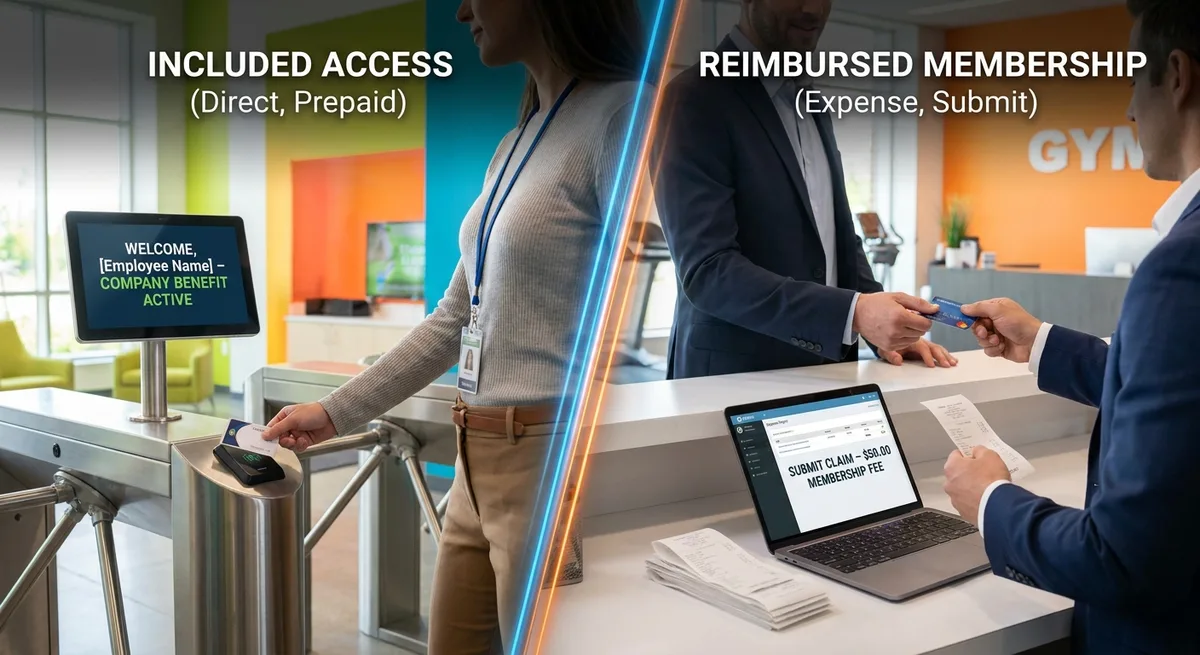
Ever found yourself at the airport, looking longingly at those exclusive lounge doors, wondering how some people seem to breeze in while others are left scrambling for a seat at the gate? Airport lounges aren't just for the ultra-wealthy or constant flyers anymore. They've become a much-sought-after perk for many travelers, offering a quiet oasis with complimentary food, drinks, Wi-Fi, and sometimes even showers. But getting in isn't always straightforward. Often, the confusion boils down to two main ways of gaining entry: through included access or via a reimbursed membership.
Understanding the difference between these two can save you time, money, and a whole lot of confusion on your next trip. Whether you're an employee navigating company travel policies or a savvy consumer trying to maximize your benefits, knowing how your lounge access works is key to unlocking a more comfortable travel experience. Let's break down what each means and how they impact your journey.
Included Access: Your Direct Path to Comfort
When we talk about "included access," we're referring to a situation where your ability to enter an airport lounge is a direct, pre-paid benefit tied to something you already possess or have acquired. You don't pay an additional fee at the lounge door, nor do you typically have to seek reimbursement later. It's simply part of a package or status you hold.
What Defines Included Access?
- Direct Benefit: The lounge access is a built-in feature of a product or service you've already purchased.
- No Upfront Payment (at the lounge): You don't pay a separate fee for each entry; the cost is absorbed into the primary product's fee.
- Automatic Qualification: You qualify simply by meeting certain criteria or holding a specific item.
Common Examples of Included Access:
- Premium Credit Cards: Many high-end travel credit cards, like the Chase Sapphire Reserve or the American Express Platinum Card, offer complimentary access to various lounge networks (e.g., Priority Pass, Centurion Lounges, Delta Sky Clubs). The annual fee for these cards covers this perk.
- Airline Elite Status: If you're a frequent flyer and achieve a certain loyalty status with an airline (e.g., Delta Diamond Medallion, United Premier 1K), you often gain access to that airline's branded lounges, and sometimes partner lounges, when flying with them.
- First or Business Class Tickets: Purchasing a first-class or business-class ticket on an international or often even a domestic flight typically grants you access to the operating airline's lounge or a partner lounge before your departure.
- Airline Specific Memberships: Some airlines offer annual memberships directly for their lounges (e.g., United Club, Admirals Club). While you pay an annual fee for these, once paid, your individual entries are "included."
How Does It Work?
To use included access, you simply present your qualifying credit card, airline boarding pass (showing your class of service or elite status), or airline lounge membership card at the lounge reception. They verify your eligibility, and you're in. The underlying cost of your lounge visits is implicitly covered by the annual fee of your credit card, the price of your premium ticket, or your airline loyalty.
Reimbursed Membership: Pay Now, Get Paid Back Later
A "reimbursed membership" works quite differently. In this scenario, you (the individual) initially pay for a lounge membership or even a pay-per-visit fee, and then your employer or another entity pays you back for that expense. It's a two-step process: you spend, then you claim reimbursement.
What Defines a Reimbursed Membership?
- Upfront Payment by You: You are responsible for the initial cost of the membership or visit.
- Company Policy Driven: This method is almost exclusively driven by an employer's benefits or travel policy.
- Reimbursement Required: You must submit an expense report or follow specific procedures to get your money back.
Common Examples of Reimbursed Memberships:
- Company-Approved Priority Pass: An employer might approve or even encourage employees who travel frequently for work to purchase a Priority Pass membership. The employee pays for the annual membership fee, then submits it for reimbursement according to company policy.
- Ad-Hoc Lounge Day Passes: For less frequent business travelers, a company might allow reimbursement for individual lounge day passes purchased at the airport if flights are delayed or there's a significant layover.
- Other Lounge Networks: Some companies might reimburse for memberships to specific airline lounges or other independent lounge networks if it aligns with their travel policy and budget.
How Does It Work?
- You Purchase the Membership: You directly pay for an annual lounge membership (e.g., a standalone Priority Pass membership, not one included with a credit card) or a single-visit pass.
- You Use the Lounge: You use your purchased membership or pass to enter the lounge.
- You Submit for Reimbursement: After your trip (or according to your company's expense policy), you submit an expense report with proof of purchase (receipt for the membership or pass) and sometimes proof of travel.
- Your Company Reimburses You: The company reviews your submission and, if it complies with their policy, reimburses you for the cost.
It's crucial to understand your company's specific travel and expense policy before assuming a membership will be reimbursed. Policies often stipulate conditions, such as travel class, length of layover, or specific lounge networks that are eligible.
Key Differences: A Side-by-Side Comparison
To truly grasp the distinction, let's look at the core differences:
- Initial Payer:
- Included Access: The entity providing the benefit (credit card issuer, airline) effectively covers the individual entry cost, which is bundled into a larger fee (like an annual credit card fee or ticket price). You don't pay per visit.
- Reimbursed Membership: You (the individual) pay the upfront cost for the membership or visit.
- Payment Process:
- Included Access: "Pay once, use many" (e.g., annual credit card fee) or "pay for the premium service, lounge access is a perk" (e.g., business class ticket). No separate transaction for lounge entry.
- Reimbursed Membership: "Pay now, get paid back later." Requires an expense submission process.
- Ownership/Benefit Holder:
- Included Access: The benefit is typically tied to you as the cardholder, elite member, or ticket holder.
- Reimbursed Membership: While you hold the membership, the financial burden is intended for the company, making it a company-supported benefit.
- Flexibility & Personal Use:
- Included Access: Generally more flexible for personal travel, as the benefit is yours regardless of whether you're traveling for business or leisure.
- Reimbursed Membership: Your company might have policies limiting reimbursement to business travel only. Using it for personal travel may not be reimbursable, meaning you bear the full cost.
- Administrative Burden:
- Included Access: Minimal administration for lounge entry; just show your qualifying item.
- Reimbursed Membership: Requires you to keep receipts, submit expense reports, and wait for processing, adding an administrative step.
What This Means for You: Making the Smart Choice
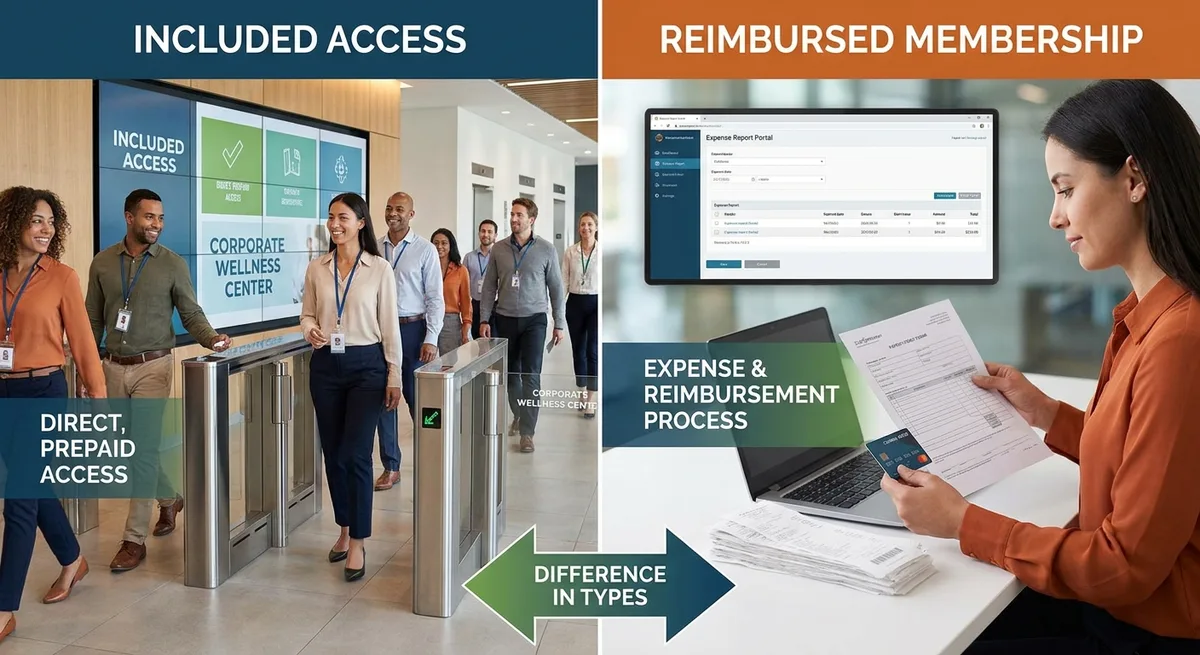
Understanding these distinctions is vital for both personal and professional travel planning:
- For Personal Travel: If you're looking for lounge access for leisure trips, focusing on premium credit cards or achieving airline elite status (included access) is usually the most straightforward and cost-effective approach, as it covers both business and personal use.
- For Business Travel:
- Check Company Policy First: Always, always, always review your company's travel and expense policy regarding lounge access. Some companies provide specific credit cards with included access; others allow reimbursement for memberships or day passes under certain conditions.
- Don't Assume Reimbursement: Just because you *think* a lounge would be helpful doesn't mean your company will pay for it. Get clarification beforehand.
- Consider the Cost/Benefit: If your company only reimburses an expensive annual membership for limited business travel, it might be more economical to purchase individual day passes (if reimbursable) or rely on included access from your personal credit card.
- Maximizing Benefits: If you have a premium credit card that offers included lounge access, make sure you're using it for both business and personal travel. It's a benefit you're already paying for through the card's annual fee.
Conclusion
Airport lounge access truly enhances the travel experience, transforming potential stress into a moment of calm and productivity. However, the path to gaining entry isn't one-size-fits-all. By clearly distinguishing between included access (a direct benefit of something you already hold) and a reimbursed membership (where you pay first and get paid back later by an employer), you can confidently navigate your options. Knowing these differences empowers you to make informed decisions, whether you're selecting a new credit card, planning a vacation, or managing your professional travel expenses. So, the next time you're at the airport, you'll know exactly how to unlock that tranquil lounge experience that awaits.
Subscribe to our newsletter for more travel tips and professional insights!
References & Sources
The Platinum Card® from American Express - Global Lounge Collection
Chase Sapphire Reserve® - Travel Benefits