Free credit check bureau- Credit Card USA
Free Credit Check Bureau - Your Guide to Financial Wellness in Credit Card USA
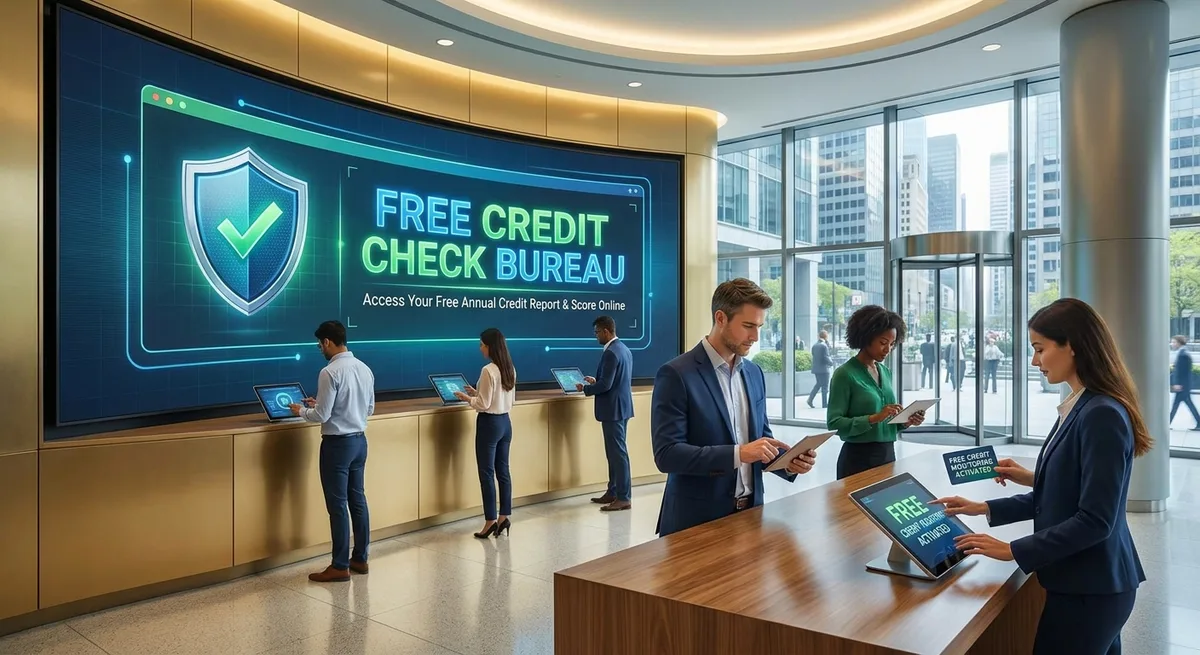
Ever feel like your credit score is this mysterious number that dictates your financial life? You’re not alone! In today's Credit Card USA landscape, understanding and managing your credit is more crucial than ever. It's not just about getting a new credit card; your credit health impacts everything from buying a home or car to renting an apartment, getting insurance, and sometimes even landing a job. The good news? You have the power to monitor your credit health, often for absolutely free!
This comprehensive guide will demystify the world of credit bureaus, show you exactly how to get your free annual credit report, and explain why regularly checking your credit is a cornerstone of smart financial planning. Forget the myths; it's time to take control and learn how to navigate the system to your advantage.
The Power of Your Credit: Why It Matters So Much
Think of your credit as your financial reputation. Lenders, landlords, and even some employers use your credit report and score to assess how reliable and trustworthy you are with money. A good credit history can open doors to better interest rates, higher credit limits, and easier approvals for loans and services. On the flip side, a poor credit history can make life significantly more challenging and expensive.
Many people believe they need to pay to keep tabs on their credit, but that's simply not true for basic checks. You have a legal right to access your credit information without spending a dime. We're here to show you how to do a free credit check and effectively leverage your access to this vital information.
Meet the Gatekeepers: The Three Major Credit Bureaus
In the United States, three main credit reporting agencies – often called credit bureaus – are responsible for collecting and maintaining your credit information. These are:
- Equifax: One of the oldest and largest credit bureaus.
- Experian: Another major player, providing a wide range of credit services.
- TransUnion: The third of the big three, known for its extensive consumer data.
These bureaus gather data from lenders, public records, and other sources to compile your credit reports. Each bureau maintains its own report, and while they should largely be similar, they might contain slightly different information based on which creditors report to which bureau. This is precisely why it’s essential to check all three reports.
Your Legal Right to a Free Credit Report: The Official Channel
Thanks to the Fair Credit Reporting Act (FCRA), you are entitled to a free annual credit report from each of the three major credit bureaus every 12 months. This means you can review your credit file from Equifax, Experian, and TransUnion once a year at no cost.
AnnualCreditReport.com: Your Sole Authorized Source
It's crucial to understand that there is only one federally authorized website where you can get free credit report online from all three bureaus: AnnualCreditReport.com. This site is jointly operated by the three major credit reporting agencies, ensuring that your request for a free credit report no credit card or other payment information is required.
Be wary of other websites that claim to offer "free credit reports." While some might offer a free score or a trial period, they often require a credit card and may auto-enroll you in paid services. For your legally mandated, truly free report, stick to AnnualCreditReport.com.
During the COVID-19 pandemic, the bureaus expanded this access, allowing consumers to get a free report weekly. While this specific weekly access may fluctuate, your right to at least one free annual report from each bureau remains a permanent fixture of consumer protection.
Step-by-Step: How to Get Your Free Credit Report Online

Getting your free reports is a straightforward process. Here’s how you can do your online credit check free:
- Visit the Official Site: Go directly to AnnualCreditReport.com.
- Request Your Reports: Click the "Request Your Free Credit Reports" button.
- Verify Your Identity: You'll be asked to provide some personal information, such as your name, address, date of birth, and Social Security number. This is standard procedure to ensure you are the legitimate person requesting the report.
- Answer Security Questions: To further verify your identity, you'll answer a series of multiple-choice questions based on information in your credit file (e.g., previous addresses, types of loans you've had).
- Select Your Bureaus: You can choose to request reports from one, two, or all three bureaus at once. Many financial experts recommend staggering your requests (e.g., one every four months) to monitor your credit throughout the year, but getting all three at once for a comprehensive review is also a valid strategy.
- View and Save: Once verified, you can view your reports instantly online. It’s highly recommended to save or print a copy of each report for your records.
Remember, this process allows you to get your reports without providing any payment information, making it a true free credit bureau free check.
What's Inside Your Free Credit Report? A Detailed Look
Your credit report is a detailed summary of your credit history. It contains a wealth of information that influences your credit score and helps lenders make decisions. Here’s a breakdown of what you’ll find:
Personal Information
- Your full name, current and previous addresses, date of birth, and Social Security number.
- Employer information (current and sometimes past).
Credit Accounts (Trade Lines)
- This is the core of your report, listing all your credit accounts: credit cards, mortgages, auto loans, student loans, and other lines of credit.
- For each account, you'll see:
- The creditor's name.
- Account number (partially masked for security).
- Date opened and closed.
- Original loan amount or credit limit.
- Current balance.
- Payment history, including any late payments or charge-offs.
Public Records and Collections
- Information from public sources, such as bankruptcies. Most negative public records, like tax liens and civil judgments, were removed from credit reports by the bureaus in 2017/2018.
- Collection accounts (unpaid debts sent to a collection agency).
Credit Inquiries
- Hard inquiries: Occur when you apply for new credit (e.g., a credit card, loan, mortgage). These can slightly lower your score temporarily and remain on your report for two years.
- Soft inquiries: Occur when you check your own credit, or when a lender pre-approves you for an offer. These do not affect your credit score and are only visible to you. Getting a free credit check through AnnualCreditReport.com is always a soft inquiry.
Reviewing these sections diligently can help you spot errors and understand your financial footprint.
Decoding Your Credit Score (and How to Check It for Free)

While your credit report details your history, your credit score is a three-digit number that summarizes your credit risk at a specific point in time. The most widely known scoring models are FICO and VantageScore.
- FICO Score: Developed by the Fair Isaac Corporation, it's the most commonly used score by lenders. FICO scores range from 300 to 850.
- VantageScore: Developed jointly by the three credit bureaus, it also ranges from 300 to 850 (though older versions had different ranges).
It's important to note that your free annual credit report from AnnualCreditReport.com does not typically include your credit score. This is a common misconception. However, there are many ways to check credit score free:
- Credit Card Companies: Many credit card issuers (e.g., Discover, Chase, Capital One) now offer free access to your FICO or VantageScore as a benefit to cardholders.
- Banks and Credit Unions: A growing number of financial institutions provide free credit score access through their online banking portals.
- Third-Party Services: Websites and apps like Credit Karma and Credit Sesame offer free VantageScores and monitoring tools. While these are not FICO scores (which most lenders use), they provide a good general indication of your credit health and show you what factors are influencing your score.
- Other Financial Services: Some auto lenders or personal loan providers might offer a free score check as part of their service.
Utilizing these options allows you to consistently monitor your credit score for free, complementing your annual report reviews.
Beyond AnnualCreditReport.com: Other Avenues for Free Credit Monitoring
While AnnualCreditReport.com is your official source for comprehensive reports, several other resources can help with free credit monitoring throughout the year:
- Credit Card and Banking Apps: As mentioned, many financial institutions offer free scores and sometimes basic credit report monitoring services directly within their platforms.
- Fraud Alerts: You can place a free 90-day fraud alert on your credit reports by contacting any one of the three major credit bureaus. This alerts lenders to verify your identity before extending credit.
- Security Freeze: For stronger protection against identity theft, you can place a security freeze (or credit freeze) on your credit reports with each of the three credit bureaus. This prevents creditors from accessing your credit report without your permission, making it much harder for identity thieves to open new accounts in your name. Freezing and unfreezing your credit is now free by federal law.
- Government Resources: The Federal Trade Commission (FTC) and the Consumer Financial Protection Bureau (CFPB) offer extensive educational resources and guidance on credit reports and scores.
Combining these methods gives you robust, free oversight of your credit profile.
Why Regular Credit Checks Are Non-Negotiable for Your Financial Health
Performing a regular free credit check isn't just a good idea; it's a critical component of smart financial management. Here's why:
Spotting Errors and Discrepancies
Credit reports can contain errors – incorrect accounts, misreported payments, or outdated information. Even a small mistake can negatively impact your credit score and your ability to get favorable rates. Regularly reviewing your report allows you to catch these errors and dispute them with the credit bureau, ensuring your report is accurate.
Protecting Against Identity Theft and Fraud
Your credit report is often the first place you'll see signs of identity theft. Unauthorized accounts, unfamiliar inquiries, or addresses you don't recognize can be red flags. Promptly identifying and reporting fraudulent activity can save you immense financial and emotional distress.
Tracking Your Financial Progress
Are you trying to improve your credit score? Regular checks allow you to see the impact of your efforts, such as making on-time payments, paying down debt, or opening new accounts. It’s a powerful tool for self-assessment and motivation.
Preparing for Major Financial Decisions
Before applying for a mortgage, an auto loan, or even renting a new apartment, it’s wise to perform a credit bureau free check. This gives you time to correct any issues, understand what lenders will see, and potentially improve your score to secure better terms.
Dispelling Common Myths About Free Credit Checks
Let's clear up some common misunderstandings:
- Myth: Checking your own credit hurts your score.
Reality: Not true! When you access your own credit report through AnnualCreditReport.com or a free credit score service, it's considered a "soft inquiry." Soft inquiries have no impact whatsoever on your credit score. Only "hard inquiries" (when you apply for new credit) can affect your score.
- Myth: You have to pay to see your credit score.
Reality: While you might pay for premium credit monitoring services or FICO scores directly from the source, there are plenty of legitimate ways to check credit score free through your bank, credit card company, or reputable third-party services. Your legal right to a free report is distinct from paid score services.
- Myth: All free credit report sites are the same.
Reality: Absolutely not. As emphasized, AnnualCreditReport.com is the only official source for your federally mandated free reports. Other sites might offer free scores or limited monitoring, but they are commercial entities and not the official gateway to your full reports from the three bureaus.
Taking Control of Your Credit Journey
Your credit health is a vital aspect of your financial well-being. By understanding how to access your free credit reports and scores, you empower yourself to monitor for inaccuracies, protect against fraud, and actively work towards a stronger financial future. Don't let uncertainty or misinformation prevent you from exercising your rights.
Making a habit of getting your free annual credit report and checking your credit score regularly will provide peace of mind and help you make informed financial decisions. It's an essential step towards achieving your financial goals in the Credit Card USA economy.
Conclusion: Your Credit, Your Power
You now have a clear roadmap to navigate the world of free credit checks and bureaus. Remember, your credit report is not just a document; it's a reflection of your financial journey and a key to unlocking future opportunities. Take advantage of your right to a free credit check, stay informed, and actively manage your financial reputation. The tools are free, accessible, and essential for every consumer.
Ready to take the next step in mastering your financial health? Subscribe to our newsletter for more tips, insights, and updates on managing your credit and building a stronger financial future!
References & Sources
Consumer Financial Protection Bureau (CFPB) - Credit Reports and Scores